

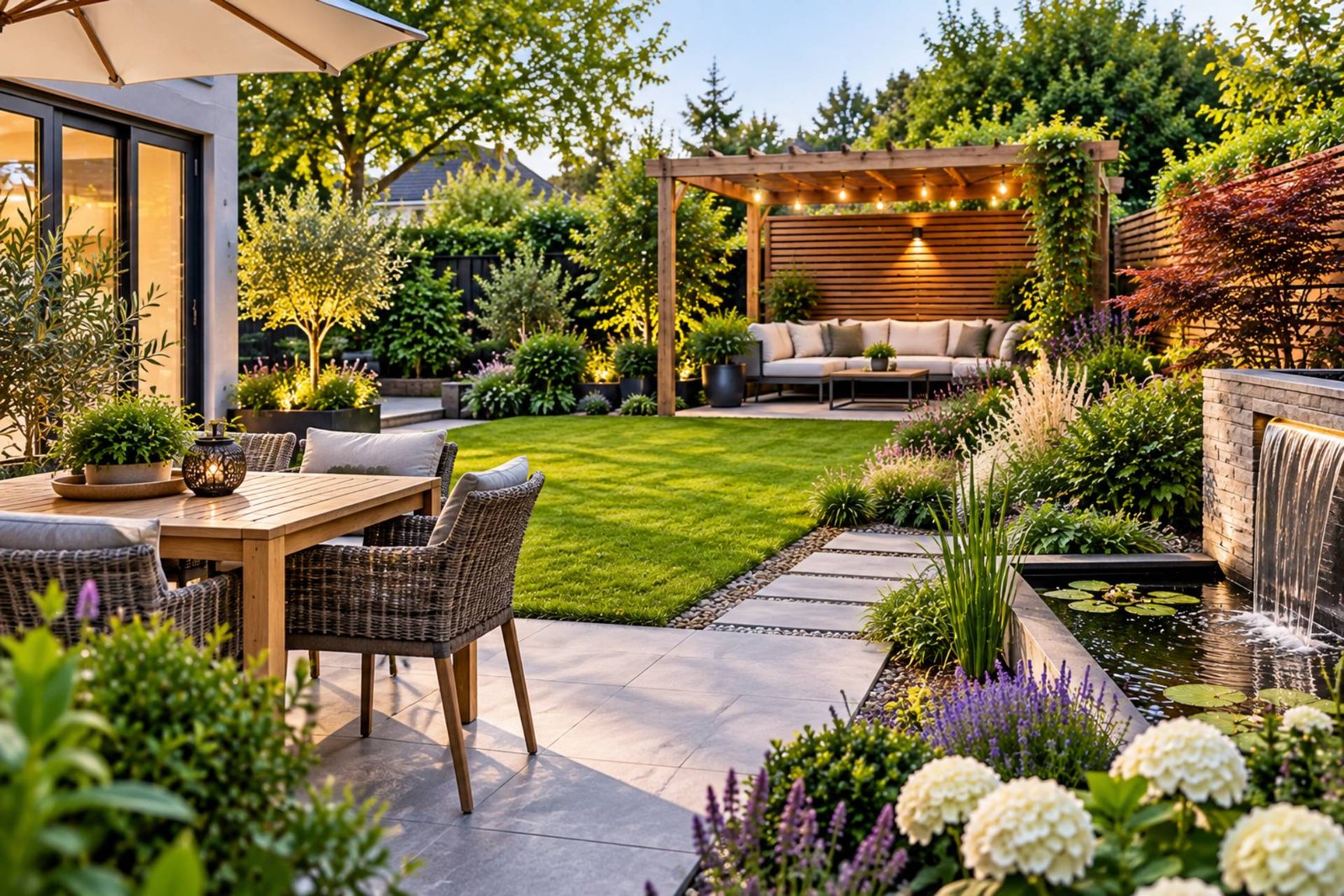
A well-planned garden can become one of the most enjoyable parts of your home. With the right layout, even a small outdoor space can offer room for relaxing, dining, entertaining and enjoying nature.
The key is to make every area work for you. A thoughtful combination of seating, planting, pathways and practical features can make a garden feel more spacious, comfortable and inviting.
Create Separate Garden Zones
Dividing your garden into different zones can make the space easier to use. You could have one area for dining, another for relaxing and a separate section for plants or children.
Use paving, planting, screens or changes in ground level to define each zone naturally without making the garden feel divided.
Design a Comfortable Seating Area
A comfortable seating area can quickly become the heart of an outdoor space. Position garden furniture where you can enjoy sunlight, views or attractive planting.
For smaller gardens, a compact bench or two chairs may be enough. Larger gardens can accommodate outdoor sofas, dining tables or a dedicated entertaining area.
Make Paths Part of the Design
Garden paths provide practical routes between different areas while adding structure to the layout. Straight paths suit modern gardens, while curved paths can create a softer appearance.
Choose durable materials that complement your home and garden. Make sure paths are wide enough for comfortable everyday use.
Add Layers of Planting
Using plants of different heights can make a garden feel more interesting and established. Combine ground cover, shrubs, flowers and taller plants to create layers.
Raised beds and planters are also useful when floor space is limited. They add greenery while helping you organise planting areas.
Use Vertical Space
Walls and fences provide valuable space for creative garden design. Trellis, climbing plants, hanging planters and vertical gardens can add greenery without taking up much ground space.
This approach is particularly useful for courtyards and smaller gardens where every metre matters.
Include Practical Garden Features
Good garden design should look attractive while supporting everyday use. Consider features that make outdoor living easier, such as:
- Outdoor lighting for evening use
- Garden storage for tools and furniture
- Privacy screens for secluded areas
- A pergola or canopy for shade
- Raised beds for organised planting
Choose features according to how you actually use the garden rather than adding elements simply for decoration.
Make a Small Garden Feel Larger
A small garden does not have to feel cramped. Keeping the layout simple and using fewer materials can create a more open appearance.
Light-coloured paving, vertical planting and carefully positioned mirrors can also help create a sense of depth. Avoid filling every available area with furniture or plants.
Connect the Garden with Your Home
A garden can feel more natural when its design connects with the property. Matching colours, materials or architectural details can create a smooth transition between indoor and outdoor areas.
Large doors or windows can also strengthen this connection by making the garden feel like an extension of the living space.
Think About Maintenance
A beautiful garden should also be manageable. Consider how much time you can realistically spend on mowing, pruning, watering and general upkeep.
Choose plants suited to your garden’s conditions and avoid creating complicated layouts that require constant maintenance. A practical design will remain enjoyable for much longer.
Frequently Asked Questions
How should I plan my garden layout?
Start by considering how you want to use the space. Mark areas for seating, dining, planting, storage and pathways before choosing individual features.
How can I improve a small garden?
Use vertical planting, compact furniture, simple pathways and multi-purpose features. Keeping the layout uncluttered can also make the garden feel larger.
What should a garden seating area include?
Comfortable furniture, suitable lighting and some protection from strong sunlight can make a seating area more practical and enjoyable.
How can I add privacy to my garden?
Fencing, trellis, screens, hedges and carefully positioned plants can provide privacy without making the whole garden feel enclosed.
How can I make my garden easier to maintain?
Choose suitable plants, keep the layout practical and avoid adding more features than you can comfortably maintain.
Conclusion
Creative garden layouts are about making better use of the space you already have. By creating clear zones, comfortable seating areas, attractive planting and practical pathways, you can make your garden more useful and enjoyable.
Think about your lifestyle first, then choose features that support it. A balanced design can turn even a modest outdoor area into a welcoming place for relaxing, entertaining and spending time outdoors.
