

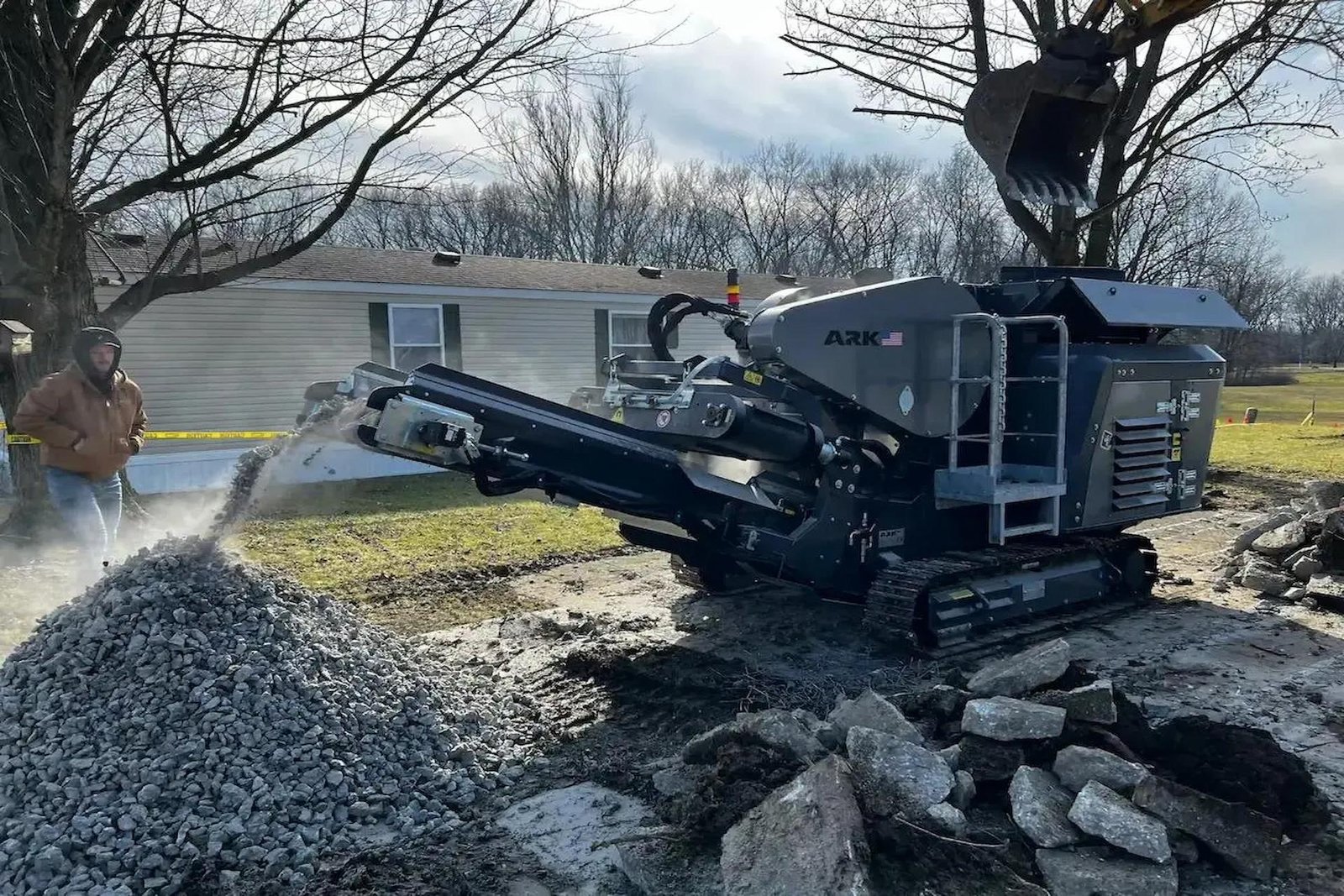
Selecting the right primary crusher has a lasting impact on productivity, maintenance, and operating costs. Understanding the practical differences between jaw crushers and gyratory crushers helps operators choose equipment that suits their production goals, material characteristics, and long-term operational requirements while supporting efficient and reliable crushing performance.
A primary crusher is one of the most important machines in any mining or quarrying operation because it begins the material reduction process. Understanding the practical differences between jaw crushers and gyratory crushers helps operators make informed decisions that improve productivity and reduce long-term operating costs. Although both machines perform primary crushing using compression, their design and performance characteristics make them suitable for different applications.
Understanding How Each Crusher Works
Jaw crushers use a fixed jaw and a moving jaw to compress material until it reaches the required size. The crushing process occurs in repeated cycles as the moving jaw opens and closes. Gyratory crushers use a rotating mantle inside a concave chamber, creating a continuous crushing action that allows material to flow through the machine more consistently.
Production Capacity Makes a Difference
Production requirements often determine which primary crusher is the better choice. Jaw crushers are well suited to operations with moderate capacity requirements and reliable day-to-day performance. Gyratory crushers are engineered for much higher throughput, making them an ideal solution for large-scale mining and quarrying operations where maintaining continuous production is essential.
Feed Size Influences Crusher Selection
Feed size is another important factor when comparing primary crushers. Jaw crushers can process large rocks effectively, but their maximum feed capacity depends on the machine size. Gyratory crushers are designed with larger feed openings that allow them to accept oversized material more efficiently, helping maintain a steady flow of rock throughout the crushing circuit.
Continuous Crushing Improves Material Flow
The operating method of each crusher has a direct impact on plant efficiency. Jaw crushers crush material in repeated cycles, creating an intermittent flow through the crushing chamber. Gyratory crushers operate continuously throughout the rotation of the mantle, providing smoother material movement and helping downstream equipment receive a more consistent feed.
Maintenance Should Never Be Overlooked
Maintenance plays a major role in keeping crushing equipment productive over the long term. Modern primary crushers are designed to simplify servicing while improving equipment reliability. Better component accessibility, durable construction, and planned maintenance schedules all contribute to reducing downtime and supporting consistent production.
Key Factors to Compare
Before selecting a primary crusher, operators should carefully evaluate several important factors that influence long-term performance:
- Required production capacity.
- Maximum feed material size.
- Maintenance requirements.
- Equipment reliability and durability.
- Future production expansion plans.
Considering these points helps ensure the selected crusher matches both current and future operational needs.
The Value of Modern Technology
Today’s primary crushing equipment offers far more than mechanical performance alone. Many modern machines include advanced automation and condition monitoring systems that help operators maintain stable operating conditions. These technologies support improved equipment availability, reduce unexpected shutdowns, and allow maintenance to be planned more efficiently.
Looking Beyond Technical Specifications
Technical specifications provide useful information, but they only tell part of the story. Daily performance depends on how efficiently a crusher handles material, how easily it can be maintained, and how reliably it operates under demanding conditions. Evaluating these practical aspects often leads to better equipment decisions than focusing only on capacity figures.
Expert Tips for Choosing the Right Crusher
Selecting a crusher should involve more than comparing machine sizes or output ratings. Keep these practical recommendations in mind before making a decision:
- Match crusher capacity to overall plant production goals.
- Consider the size and consistency of the feed material.
- Evaluate long-term maintenance requirements.
- Look for equipment with modern automation and monitoring features.
- Plan for future growth rather than only current production needs.
A well-planned investment often delivers greater operational efficiency over the equipment’s lifetime.
Conclusion
Choosing between a jaw crusher and gyratory crushers is ultimately about selecting the machine that best fits the needs of the entire operation. Jaw crushers remain an excellent solution for many primary crushing applications where dependable performance and operational simplicity are priorities. Gyratory crushers are designed to deliver continuous crushing, handle larger feed sizes, and support higher production capacities for demanding mining and quarrying environments. By carefully assessing production goals, material characteristics, maintenance expectations, and long-term operational plans, operators can make informed decisions that improve efficiency across the complete crushing process. The right primary crusher not only supports reliable day-to-day performance but also contributes to lower operating costs, increased equipment availability, and stronger long-term productivity.
