

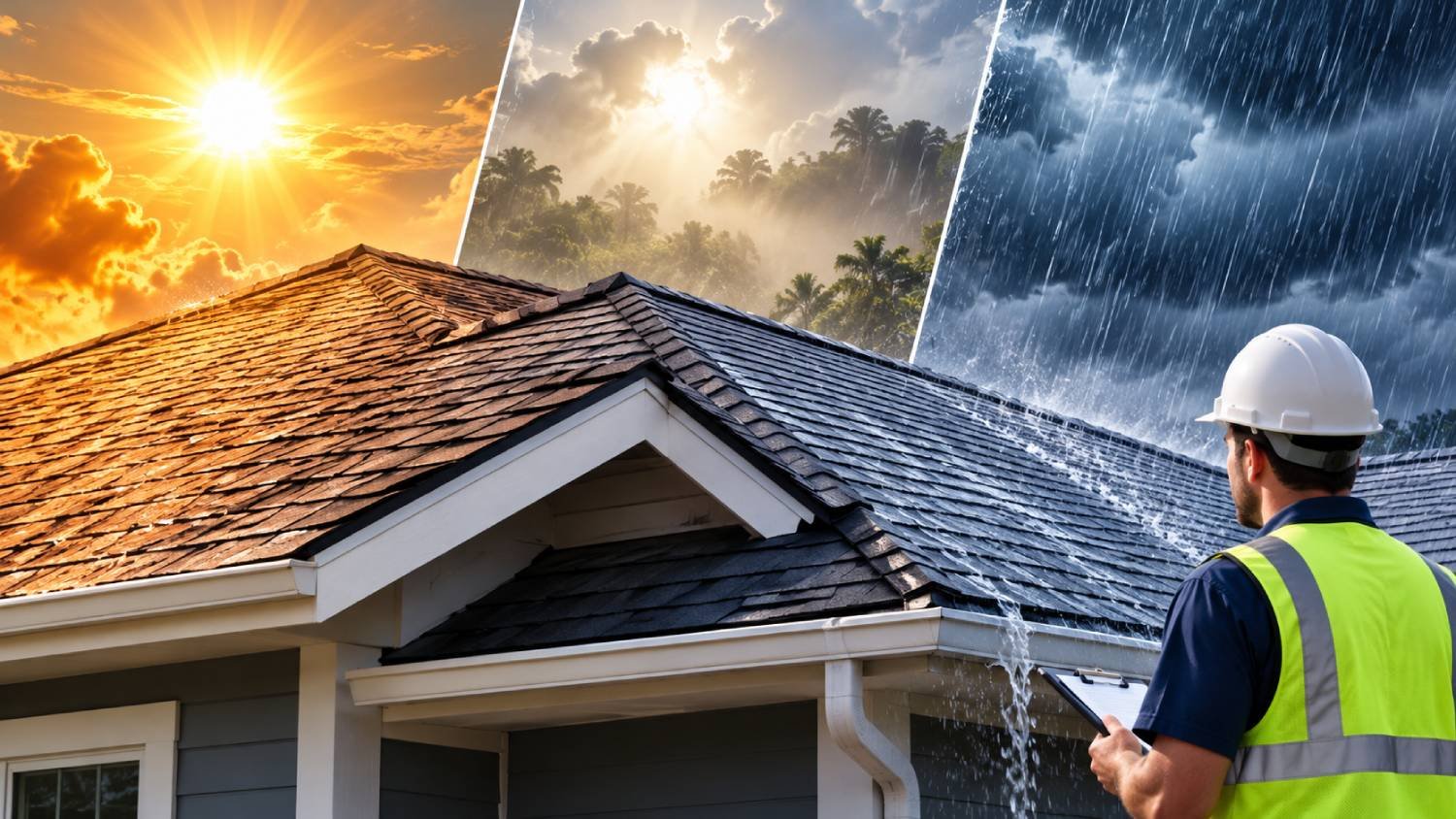
Your roof is constantly exposed to environmental forces, serving as your property’s primary line of defense against changing weather patterns. While many homeowners expect their roofing materials to last for several decades, intense solar radiation, persistent moisture, and frequent downpours can significantly accelerate wear and tear. Over time, these combined climate factors weaken structural components, break down protective surface coatings, and shorten the functional lifespan of even high-quality roofing systems.
When consulting with experienced roofing contractors palm harbor fl property owners often learn how localized weather conditions impact long-term material performance. Understanding the specific mechanisms behind thermal expansion, high humidity, and wind-driven rain helps you take proactive steps to protect your investment. Recognizing early warning signs of climate-induced damage allows you to perform timely maintenance before minor deterioration leads to costly structural repairs or premature roof replacement.
Extreme Heat and Thermal Shock Breakdown
Prolonged exposure to direct sunlight subjects your roof to intense thermal stress on a daily basis. As temperatures rise throughout the afternoon, roofing materials absorb substantial amounts of heat, causing asphalt shingles, metal panels, and underlayment materials to expand. When temperatures drop rapidly after sunset or during sudden rain showers, these materials contract quickly, a process known as thermal shock that eventually causes surface cracking and material fatigue.
Over time, relentless ultraviolet radiation breaks down the asphalt binders within shingles, causing them to lose their flexibility and protective mineral granules. As shingles shed these protective granules, the underlying asphalt layer becomes exposed to direct sun, accelerating drying, curling, and cracking. Working with reliable roofing contractors palm harbor fl homeowners rely on ensures that deteriorated shingles are identified and replaced before the underlying roof deck becomes vulnerable to water penetration.
Persistent Humidity and Organic Growth Problems
High humidity levels create a challenging environment for roofing structures by preventing trapped moisture from evaporating efficiently. When warm, moisture-laden air accumulates in poorly ventilated attics, condensation forms on the underside of the roof decking, creating ideal conditions for wood rot and structural decay. Over time, this unvented moisture weakens wooden rafters, compromises ceiling insulation, and promotes interior mold growth that can affect indoor air quality.
On the exterior surface, lingering humidity encourages the growth of algae, moss, and lichen across damp shingles. Moss acts like a sponge, holding water directly against the roofing material and forcing shingle edges to lift away from the roof deck. As shingle edges curl, wind-driven moisture easily penetrates beneath the primary barrier, leading to hidden leaks and decaying underlayment layers that shorten the total lifespan of the system.
Heavy Downpours and Torrential Rain Hazards
Heavy rainstorms test the integrity of your roof’s waterproofing systems by delivering high volumes of water in short periods. Torrential downpours search out the smallest gaps around flashings, pipe boots, and shingle seams, converting minor surface flaws into active indoor leaks. If water accumulates faster than the roof pitch can shed it, standing water can seep backward under shingle laps, saturating internal underlayments and damaging drywall below.
To safeguard your property against severe rainfall hazards, focus on these essential maintenance tasks:
- Inspect Roof Flashing: Check sealants around chimneys, vents, and skylights to ensure watertight protection against driving rain.
- Maintain Clear Drainage: Clean gutters and downspouts regularly so heavy rainfall drains freely without backing up along roof edges.
- Trim Overhanging Trees: Cut back tree branches to prevent falling limbs and reduce debris accumulation in roof valleys.
- Monitor Attic Conditions: Look for dark water stains, damp insulation, or musty odors in the attic immediately after major rainstorms.
Managing Coastal Storm Hazards and Wind Pressures
In addition to heavy precipitation, coastal storms frequently bring strong winds that subject roofing edges to immense pressure differentials. High-speed wind gusts can break the adhesive sealant strips beneath asphalt shingles, lifting them up and tearing them away from the roof deck. Once shingles are detached, the exposed underlayment becomes highly susceptible to wind-driven rain, leading to swift interior water damage if repairs are delayed.
Maintaining a resilient roof system requires routine inspections to confirm that edge metals, perimeter flashings, and shingle courses remain securely fastened. Promptly repairing uplifted or loose shingles prevents wind uplift from cascading across larger sections of the roof during severe weather events. Proper installation techniques, coupled with impact-resistant and high-wind rated materials, dramatically improve your roof’s resilience against sudden coastal storm systems.
Conclusion
Heat, humidity, and heavy rainfall work together to place continuous stress on your roof, making ongoing care essential for long-term durability. Sun exposure dries and cracks surface materials, high humidity fosters moisture buildup and organic growth, and driving rain exposes minor vulnerabilities in flashing and seals. Understanding how these factors interact allows property owners to stay ahead of damage through routine observations and timely surface repairs.
Protecting your roof’s lifespan requires a proactive approach that includes regular cleaning, attic ventilation checks, and professional maintenance. By addressing small cracks, clearing drainage paths, and replacing worn shingles as soon as problems appear, you protect your entire home from water damage and structural instability. Consistent care ensures your roofing system remains strong, reliable, and prepared to handle severe weather conditions year after year.
