

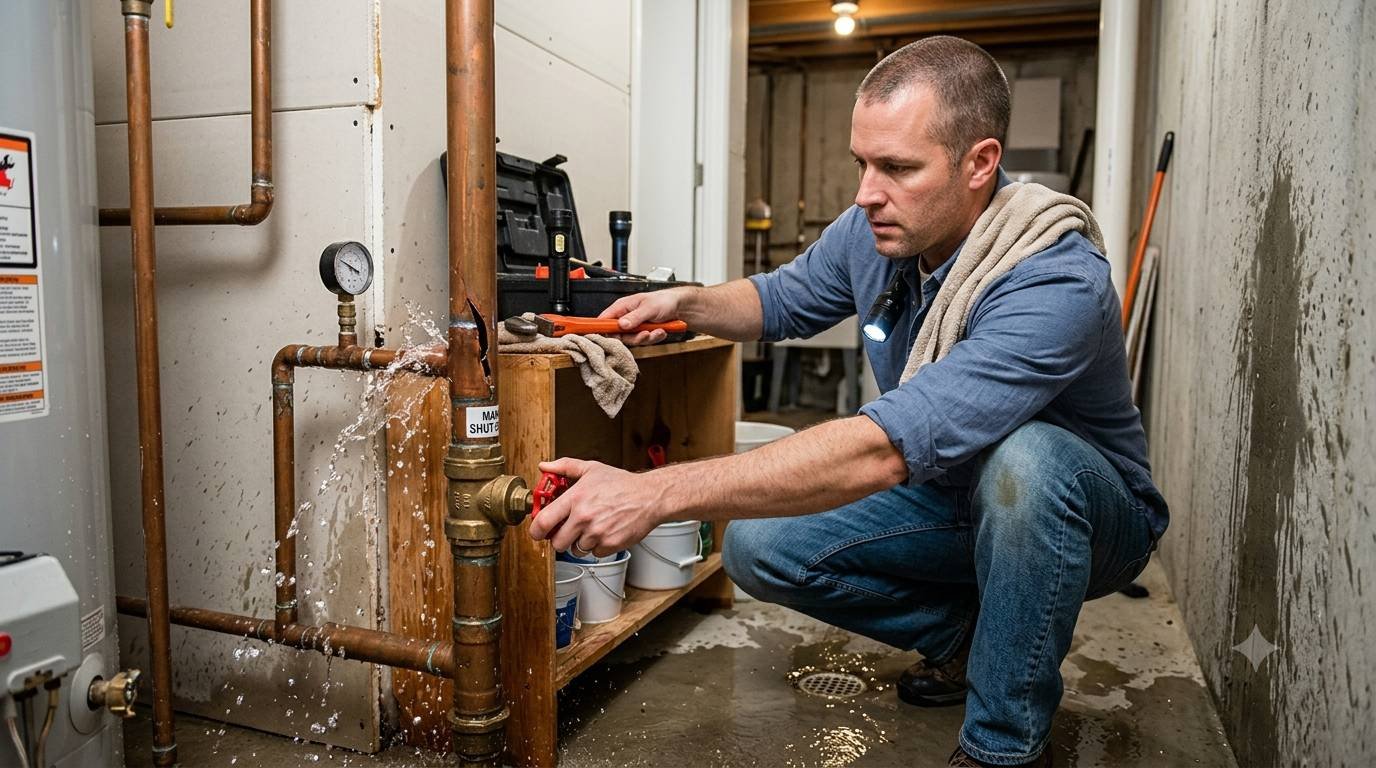
A plumbing emergency can happen without warning. A burst pipe, overflowing toilet, or major leak can quickly cause water damage, disrupt your daily routine, and lead to expensive repairs if not handled promptly. While turning off your home’s water supply is often the right first step, knowing what to do before reaching for the shutoff valve can make the situation safer and easier to manage.
If you’re dealing with significant water escaping into your home, acting quickly is essential. Understanding when to seek emergency plumbing for urgent leaks can help minimize damage while ensuring experienced professionals are on the way to resolve the issue. At the same time, taking a few practical steps before shutting off your water can protect your home, belongings, and plumbing system.
Stay Calm and Assess the Situation
It’s natural to panic when water is pouring onto the floor, but staying calm allows you to make better decisions. Start by identifying where the water is coming from.
Is it:
- A burst pipe?
- A leaking water heater?
- A broken faucet?
- An overflowing toilet?
- A damaged appliance supply line?
Determining the source helps you decide whether you need to shut off the entire home’s water supply or only isolate a single fixture.
If the leak is small and localized, such as beneath a sink, turning off the fixture’s individual shutoff valve may be enough.
Protect Yourself Before Anything Else
Water emergencies can create safety hazards that aren’t immediately obvious.
Before touching standing water, check whether electrical outlets, appliances, or extension cords have been exposed. If electricity and water may have come into contact, avoid entering the affected area until it’s safe.
Wear shoes with rubber soles if possible, especially if floors have become slippery. If the leak involves hot water, be cautious around scalding temperatures.
Your personal safety should always come before protecting property.
Move Valuable Items Out of Harm’s Way
Even a small leak can spread surprisingly fast.
If it’s safe to do so, remove items that could be damaged by water, including:
- Electronics
- Important documents
- Area rugs
- Furniture
- Family photographs
- Decorative items
Lifting belongings onto higher surfaces can prevent unnecessary losses while you work to stop the water flow.
Try to Contain the Leak
Before shutting off the water, take simple steps to slow or contain the spread of water if possible.
Use:
- Buckets beneath dripping pipes
- Towels to absorb water
- Mops for pooling water
- Plastic containers to catch steady leaks
If water is spraying from a damaged pipe, wrapping the area with a towel or temporary pipe repair tape may reduce the flow until professional repairs can be made.
These are temporary measures—not permanent solutions—but they can significantly reduce water damage.
Identify Which Shutoff Valve You Need
Many homeowners immediately shut off the entire home’s water supply, but that isn’t always necessary.
Depending on the problem, you may only need to close a local shutoff valve located behind:
- Toilets
- Bathroom sinks
- Kitchen sinks
- Washing machines
- Dishwashers
Using the local valve allows the rest of your home’s plumbing to continue functioning while limiting the affected area.
If the leak involves a main water line or you cannot isolate the problem, then shutting off the home’s main water valve is the safest option.
Know Where Your Main Water Shutoff Is Located
A plumbing emergency is not the best time to start searching for the main shutoff valve.
Before an emergency happens, familiarize yourself with its location.
Depending on your home, it may be found:
- Near where the main water line enters the house
- In a basement
- Inside a utility room
- In a crawl space
- Along an exterior wall
- Near the water meter
Being able to locate it quickly can save valuable time when every minute counts.
Shut Off Appliances If Necessary
Some plumbing emergencies involve appliances connected to your water supply.
If your water heater is leaking or a pipe supplying it has burst, turning off the heater after shutting off the water may help prevent additional damage.
Likewise, washing machines, dishwashers, and refrigerator water lines should no longer be operated until repairs have been completed.
Running these appliances without an adequate water supply can sometimes create additional problems.
Open Faucets After the Water Is Off
Once you’ve shut off the water supply, open several cold water faucets throughout your home.
This helps:
- Relieve pressure inside the plumbing system
- Drain remaining water from the pipes
- Reduce continued leaking from damaged sections
If the issue involves frozen pipes that have burst, relieving pressure may also help limit additional damage while waiting for repairs.
Document the Damage
If your home has experienced significant water damage, take photos before beginning extensive cleanup.
Photographs may be useful if you need to:
- File a homeowners insurance claim
- Document repair needs
- Show the extent of damage to contractors
Be sure to photograph damaged flooring, walls, furniture, and the plumbing issue itself if it is visible.
Documentation is much easier before cleanup begins.
Avoid DIY Repairs That Could Make Things Worse
It’s tempting to try fixing a plumbing emergency yourself, especially if the leak appears straightforward.
However, temporary fixes should remain temporary.
Improper repairs can lead to:
- Larger leaks
- Hidden water damage
- Mold growth
- Higher repair costs later
Unless you have experience with plumbing systems, it’s generally best to limit your actions to shutting off the water, containing the leak, and protecting your home until a qualified plumber arrives.
Begin Drying the Area
Even after the leak has stopped, moisture left behind can continue causing problems.
Use fans, towels, and wet vacuums if available to remove standing water as quickly as possible.
Open windows when weather permits to improve airflow and speed drying.
Prompt drying reduces the risk of mold, mildew, warped flooring, and damaged drywall.
Prepare for the Plumber’s Arrival
While waiting for professional assistance, make the work area as accessible as possible.
Clear away stored items, furniture, or obstacles that block access to:
- The damaged pipe
- Water heater
- Shutoff valve
- Crawl space or utility room
If you’ve noticed anything unusual before the emergency—such as low water pressure, unusual noises, or previous leaks—make note of it. Sharing these observations may help diagnose the underlying issue more efficiently.
Conclusion
A plumbing emergency can feel overwhelming, but knowing what to do before turning off your water can significantly reduce damage and improve safety. Staying calm, protecting your household, containing the leak when possible, and identifying the correct shutoff valve all help you respond effectively during those critical first moments.
While quick action can prevent extensive water damage, professional repairs are often necessary to ensure the underlying problem is fully resolved. Preparing in advance by knowing where your shutoff valves are located and understanding the proper response can give you greater confidence if an unexpected plumbing emergency ever occurs.
