

Home upgrades often focus on visible improvements: a sleek new kitchen, refreshed bathrooms, or an energy-efficient extension. Yet one critical element frequently gets pushed to the sidelines the air conditioning system. As temperatures rise and energy costs climb, ensuring your cooling setup matches the standards of your renovated home is essential for long-term comfort, efficiency, and property value.
When embarking on a major project, integrating AC installation early in the planning phase prevents costly headaches later. Modern homes demand systems that align with improved insulation, smarter layouts, and higher expectations for indoor air quality. Overlooking this can leave you with an outdated unit struggling to keep up.
Why Air Conditioning Deserves Attention During Renovations
A home upgrade transforms how a property looks and functions. New windows, better insulation, and open-plan spaces change airflow patterns and heat retention. An older central system designed for a different layout may now run inefficiently, leading to uneven temperatures, higher bills, and unnecessary strain on components.
Many homeowners discover these issues only after the work is complete. Contractors might seal ducts or alter rooms without considering the HVAC implications. The result? A beautiful home that feels stuffy in summer or wastes energy year-round. Planning ahead allows you to assess your current system’s capacity and explore upgrades that complement the new design.
The Hidden Costs of Ignoring Your Cooling System
Outdated air conditioning often hides behind walls and ceilings until it fails at the worst possible moment. During a renovation, dust, debris, and construction vibrations can accelerate wear on existing units. Filters clog, coils collect grime, and refrigerant lines may suffer minor damage that goes unnoticed.
Energy efficiency is another major concern. Older systems typically operate at lower SEER (Seasonal Energy Efficiency Ratio) ratings compared to today’s models. With rising utility prices, continuing to run an inefficient unit in a newly upgraded, better-insulated home makes little financial sense. A modern replacement can reduce cooling costs by 30-50% in some cases, depending on the technology chosen.
Moreover, indoor air quality often improves dramatically with a new system. Contemporary units incorporate better filtration, dehumidification, and even UV lights or air purifiers. For families with allergies or respiratory concerns, this upgrade delivers health benefits that extend far beyond mere temperature control.
Exploring Modern Air Conditioning Options
Today’s market offers more choices than ever. Traditional ducted systems remain popular in larger homes, but they require sufficient space for ductwork and regular maintenance to prevent leaks and contamination.
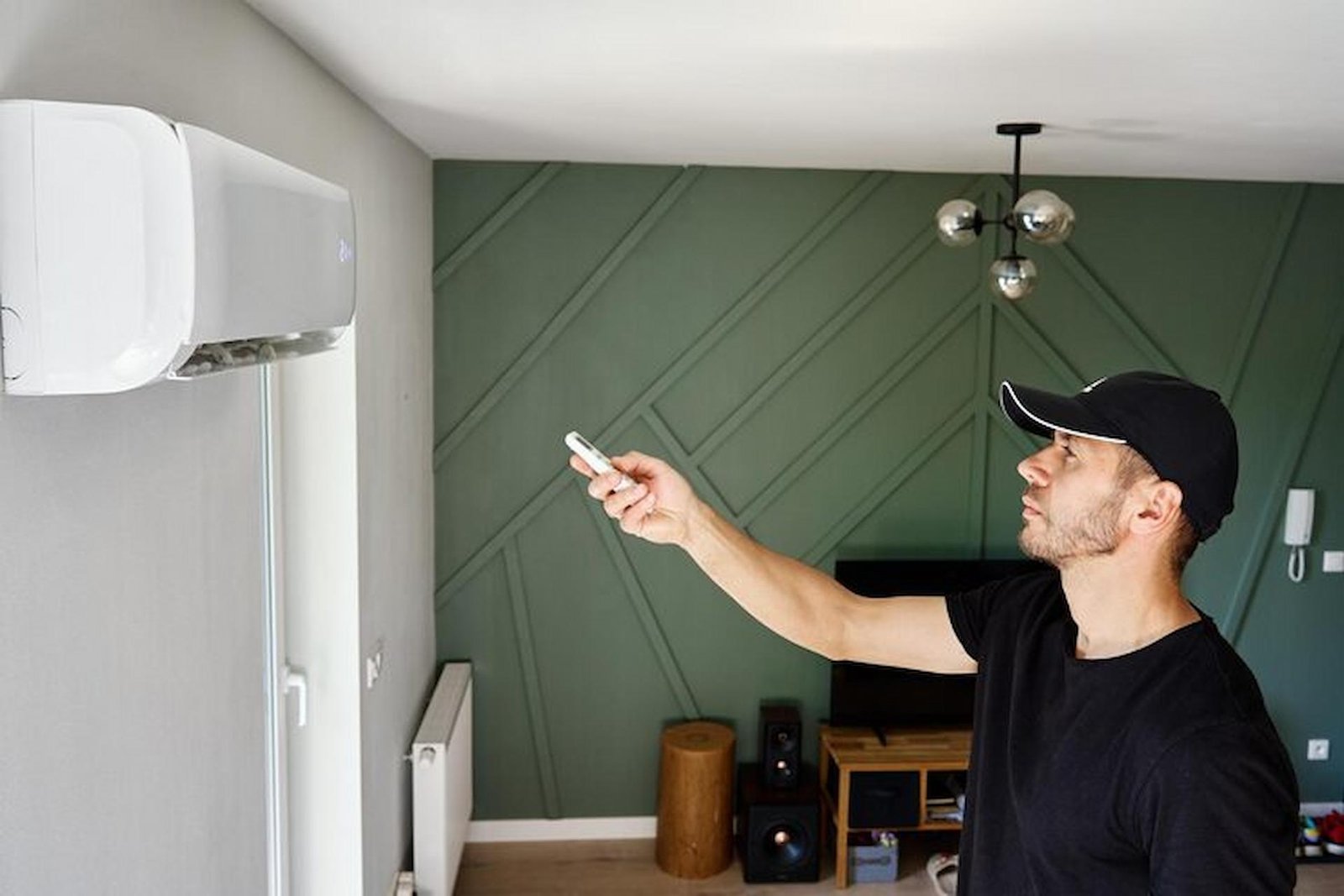
Ductless solutions have gained significant traction for their flexibility. These systems, also known as mini-splits, consist of an outdoor compressor and indoor air-handling units. They excel in homes with open plans, room additions, or historic properties where installing ducts would be disruptive or impractical. Each zone can be controlled independently, allowing different temperatures in various rooms—ideal for modern living.
For those planning a home upgrade, ductless technology often integrates seamlessly. Wall-mounted or ceiling-recessed units are discreet, and many feature sleek designs that complement contemporary interiors. They also tend to install more quickly with minimal structural changes, making them attractive during active renovation periods.
Key Factors to Consider When Upgrading
Choosing the right system involves more than just cooling power. Start by calculating your home’s cooling load. Factors such as square footage, window orientation, insulation levels, and local climate all play a role. A professional assessment ensures the new unit is neither oversized (which causes short cycling and humidity issues) nor undersized (leading to constant running and discomfort).
Energy efficiency ratings matter. Look for high SEER values, inverter technology, and smart features like Wi-Fi connectivity and programmable schedules. These allow you to optimise performance and reduce waste even when you’re away.
Noise levels deserve attention too. Newer systems operate far more quietly than older models, both indoors and out—an important consideration if bedrooms are near the outdoor unit or if you enjoy peaceful outdoor spaces.
Budget planning should include not only the equipment but also installation, potential electrical upgrades, and ongoing maintenance. While the initial investment might seem substantial, the combination of lower running costs, improved reliability, and enhanced home value usually delivers a strong return.
The Importance of Professional Expertise
DIY approaches rarely suit air conditioning work. Handling refrigerants requires certification, and improper installation can void warranties or create safety hazards. Engaging qualified professionals ensures the system is sized correctly, installed to manufacturer specifications, and tested thoroughly before handover.
During a home upgrade, coordination between your renovation team and HVAC specialists prevents conflicts. For instance, electricians can prepare circuits, builders can accommodate indoor units, and insulation experts can optimise the thermal envelope around the new system.
Regular servicing after installation keeps performance high. Simple tasks like changing filters and scheduling annual checks extend the system’s lifespan and maintain efficiency.
Enhancing Comfort and Sustainability
A well-planned air conditioning upgrade aligns with broader sustainability goals. Many modern systems use eco-friendlier refrigerants and consume significantly less electricity. When paired with solar panels or smart home integration, they contribute to a lower carbon footprint.
Beyond the environment, the difference in daily comfort is remarkable. Consistent temperatures, reduced humidity, and cleaner air create a more pleasant living environment. Guests notice the difference immediately, and you’ll appreciate it every time you walk through the door after a warm day.
Looking Ahead
As you finalize plans for your home upgrade, treat your air conditioning system as a core component rather than an afterthought. Early evaluation allows you to explore options, compare technologies, and integrate the chosen solution smoothly into the project timeline.
The result is a home that not only looks stunning but performs brilliantly for years to come. Comfort, efficiency, and peace of mind are worth the foresight.
Whether you’re refreshing a single room or undertaking a whole-house transformation, investing thoughtfully in your cooling system pays dividends in lifestyle and long-term value. Your upgraded home deserves an upgraded air conditioning solution to match.
