

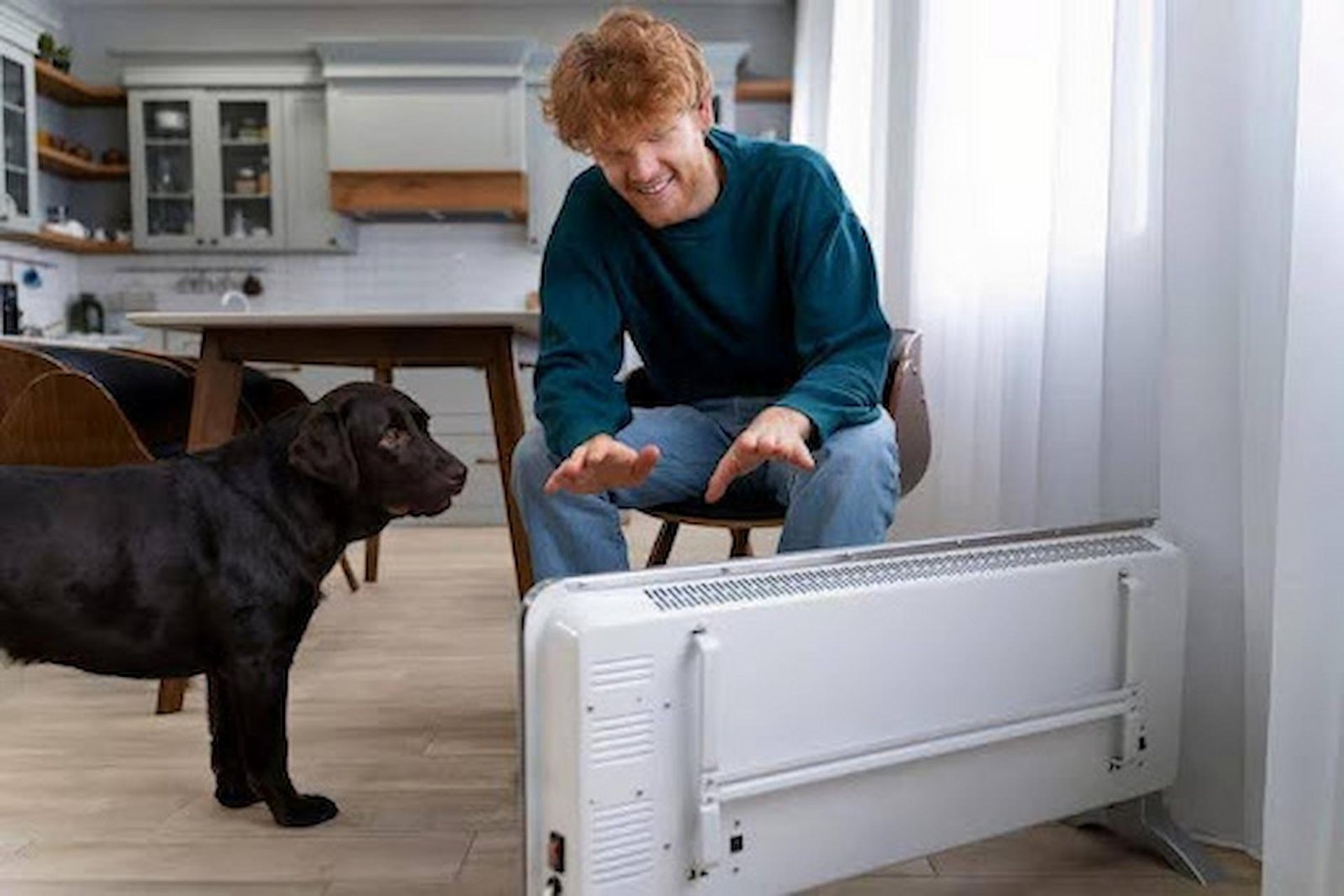
What if one heating choice could cut energy bills, boost room-by-room comfort, and future-proof your home against rising energy costs? Electric radiators are quietly replacing bulky boilers and complex pipework—yet their impact on modern heating is anything but quiet. Homeowners are starting to rethink everything they thought they knew about staying warm.
Heating a whole home is a serious decision. Comfort, energy use, running costs, and long-term reliability all matter. In recent years, electric radiators have moved into the spotlight as an alternative to gas-based systems. Once seen as secondary heaters, they are now being considered as primary solutions for entire properties.
The growing interest in electric radiators is driven by changing building standards, improved insulation, and a gradual move away from gas. However, suitability depends on how these systems work, the type of home involved, and realistic expectations about performance and cost.
Understanding these factors clearly is essential before treating electric heating as a whole-house option rather than a room-by-room solution.
How Electric Radiators Heat a Home
Electric radiators work by converting electricity directly into heat at the point of use. There is no boiler, no pipework, and no central distribution system. Each radiator operates independently, warming the space it is installed in.
This localised approach changes how heat is managed across a property. Instead of heating the whole house at once, warmth is delivered only where and when it is needed. This can improve control but also requires careful planning when used as a complete system.
Key characteristics include:
- Direct heat output without energy loss through pipes
- Independent control for each room
- Immediate response when switched on
While the technology is simple, system design becomes more important when scaling up to a full home.
Can Electric Radiators Replace Central Heating?
Replacing a traditional central heating system is possible, but not always straightforward. Electric radiators can heat an entire home effectively if the property is well insulated and correctly sized for heat demand.
Homes with solid insulation, modern windows, and minimal heat loss are best suited. In older or poorly insulated buildings, electric heating may struggle to maintain consistent warmth without higher running costs.
Whole-home replacement tends to work best when:
- The property has low heat loss
- Room sizes are modest and predictable
- Heating use is carefully scheduled
Without these conditions, performance may fall short of expectations.
Energy Efficiency and Heat Control
Electric radiators are highly efficient at the point of use. Nearly all the electricity consumed is converted into usable heat. Unlike boilers, there is no combustion loss.
However, efficiency does not automatically mean lower bills. Electricity costs more per unit than gas in the UK. This makes control and timing critical.
Room-by-room management allows homeowners to:
- Heat only occupied spaces
- Avoid wasted energy
- Maintain consistent comfort levels
When used correctly, this targeted approach can offset higher unit costs, particularly in smaller or well-managed homes.
Installation and System Simplicity
One of the strongest advantages of electric radiators is installation ease. There is no need for pipework, boilers, or major structural changes. Radiators are mounted and connected to the electrical supply.
This simplicity makes them attractive for:
- Properties without gas access
- Renovations and extensions
- Flats and apartments
For whole-home use, electrical capacity must be assessed carefully. An upgraded consumer unit or additional circuits may be required to support multiple radiators operating simultaneously.
Running Costs and Financial Considerations
Running costs remain the biggest concern. While electric radiators are efficient, electricity pricing affects affordability. Whole-home systems can be costly if used without planning.
Costs are influenced by:
- Property insulation levels
- Daily heating patterns
- Tariff structure and usage timing
Homes that rely on constant background heating may find electric systems expensive. Those that use heat selectively often see better value.
This makes electric heating more suitable for controlled, intentional use rather than continuous output.
Comfort and Heat Quality
Electric radiators provide steady, consistent warmth. Heat is evenly distributed across the surface of the radiator, reducing hot and cold spots within rooms.
Comfort levels depend on:
- Correct radiator sizing
- Proper placement
- Consistent control settings
When designed well, rooms feel warm without overheating. When poorly planned, some areas may feel underpowered while others become inefficiently heated.
Environmental and Future Considerations
Electric heating aligns well with the UK’s long-term move toward lower-carbon energy. As the national electricity grid incorporates more renewable sources, electric radiators become increasingly future-proof.
They also avoid on-site emissions entirely. This can be an advantage in urban areas or buildings where gas use is restricted.
However, environmental benefits depend heavily on how electricity is generated and consumed over time.
Are Electric Radiators Right for Every Home?
Electric radiators are not a universal solution. Their suitability varies widely depending on property type, insulation, occupancy patterns, and expectations.
They tend to work best in:
- Well-insulated modern homes
- Smaller properties
- Homes with flexible heating schedules
They may be less suitable for large, draughty, or constantly occupied houses where continuous heat is required.
Understanding these limits is essential before committing to a full system.
Final Thoughts
As a whole-home heating option, electric radiators can be effective, reliable, and simple when conditions are right. They offer excellent control, easy installation, and future-focused design. However, they demand thoughtful use and realistic cost planning.
For households willing to manage heating carefully and invest in insulation, electric systems can perform well across an entire home. For others, they may remain better suited as part of a mixed or targeted heating approach.
