

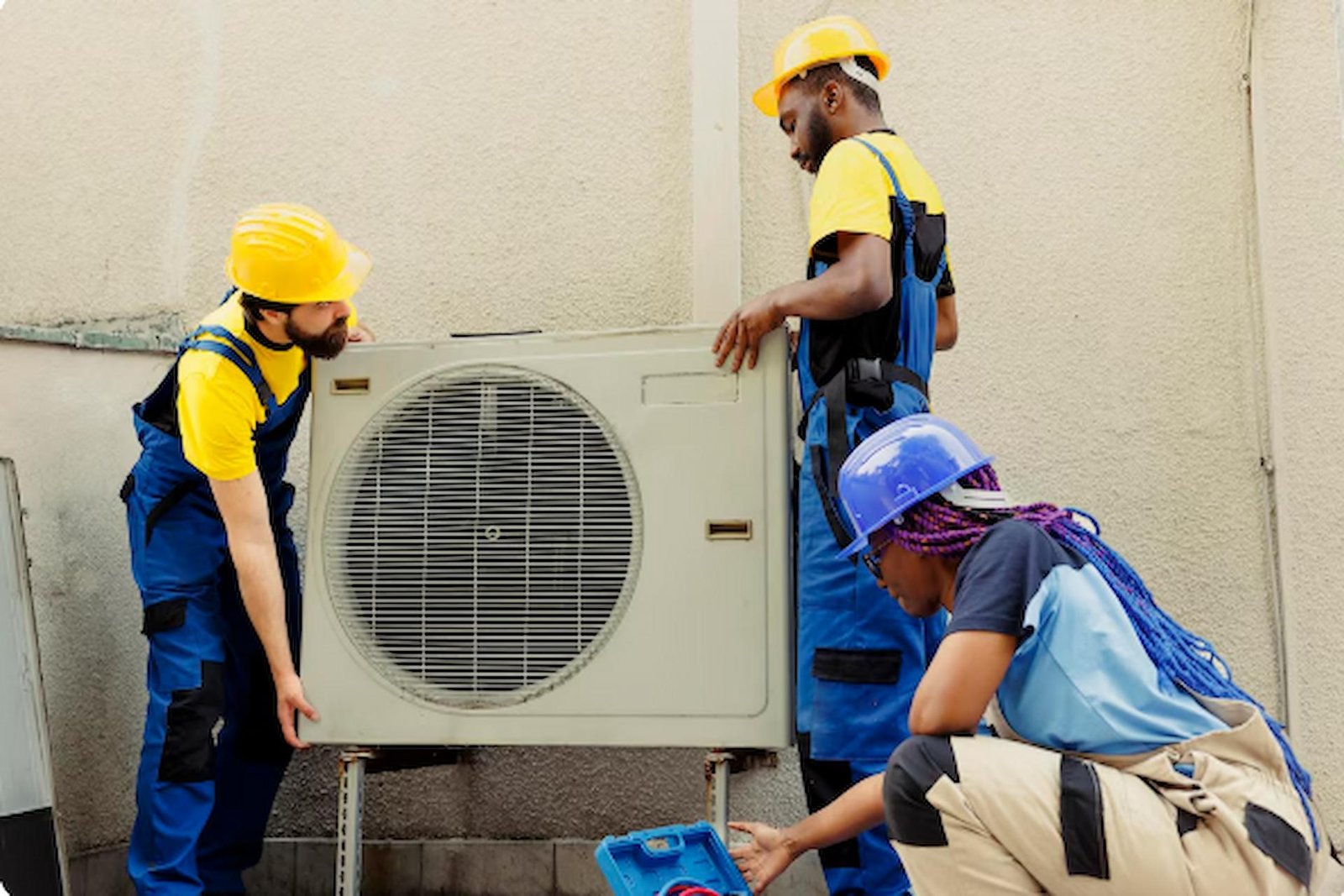
Heating and cooling systems are among the most important mechanical assets in any home. They operate quietly in the background, maintaining indoor comfort during both extreme summer heat and winter cold. Yet, many homeowners rarely think about their HVAC systems until something stops working. This reactive approach often leads to higher repair costs and shorter equipment lifespan. Regular maintenance, on the other hand, helps prevent unexpected breakdowns and ensures the system operates efficiently for years.
Working with a qualified HVAC contractor in Bristow, OK ensures that routine inspections, cleaning, and adjustments are performed correctly. Professionals can detect early signs of wear before they develop into costly failures. As a result, homeowners enjoy reliable performance, improved energy efficiency, and peace of mind throughout the year.
The Science Behind HVAC System Longevity
An HVAC system is a complex network of interconnected components. The compressor, blower motor, evaporator coils, condenser coils, thermostat, and ductwork must all function together seamlessly. When one element begins to deteriorate, it places additional strain on the entire system. Regular maintenance helps ensure that every component operates within its intended range. When parts remain clean, lubricated, and properly calibrated, the system runs with less friction and resistance. This efficiency reduces wear on critical components such as the compressor and fan motors.
Preventive maintenance addresses these issues before they escalate. During routine servicing, technicians evaluate airflow levels, inspect moving parts, clean coils, and verify electrical connections. These actions help maintain optimal operating conditions and significantly slow the natural deterioration process. When systems operate under ideal conditions, they can often exceed their expected service life. Regular maintenance essentially acts as a protective barrier against the gradual damage caused by dust, vibration, and thermal stress.
Preventing Costly Breakdowns Through Early Detection
Unexpected HVAC breakdowns rarely occur without warning. In most cases, small issues develop gradually before turning into major failures. Unfortunately, these early signs often go unnoticed by homeowners because they occur within internal components. Routine inspections allow trained technicians to detect minor problems at an early stage. For example, a worn belt or loose electrical connection may not immediately affect system performance. However, if left unattended, these small faults can eventually cause more severe damage to the motor or control board.
Homeowners who schedule regular servicing often experience fewer emergency repairs. This proactive approach saves both time and money while protecting the system from sudden mechanical failures. Working with an experienced HVAC contractor in Bristow, OK ensures that inspections are thorough and aligned with industry best practices. Skilled technicians understand the common failure points in HVAC systems and know exactly where to look for early warning signs.
Improving Energy Efficiency Through Routine Maintenance
Energy efficiency plays a significant role in the longevity of HVAC systems. When a unit operates inefficiently, it must run longer cycles to achieve the desired indoor temperature. This increased workload accelerates wear on mechanical components. Regular maintenance restores system efficiency by ensuring that all parts function optimally. Cleaning condenser and evaporator coils is particularly important because dirt accumulation acts as an insulating layer that reduces heat transfer. When heat exchange becomes less effective, the system consumes more energy and operates under greater strain.
The long-term benefits of improved efficiency extend beyond energy savings. Reduced workload means fewer operating hours for essential components, which directly contributes to a longer system lifespan. When homeowners partner with a reliable HVAC contractor in Bristow, OK, they gain access to professional servicing that maintains peak efficiency and protects the system from unnecessary strain.
Protecting Key HVAC Components from Wear and Damage
Every HVAC system contains several components that are particularly vulnerable to wear. These parts often determine how long the entire system will last. Regular maintenance focuses heavily on protecting these critical elements. The compressor is often considered the heart of the cooling system. If it fails, replacing it can be extremely expensive. Routine maintenance ensures that refrigerant levels remain balanced and that airflow across the coils remains unobstructed. These conditions prevent the compressor from overheating or operating under excessive pressure.
The thermostat plays a crucial role in regulating system cycles. If the thermostat becomes inaccurate, the HVAC unit may run longer than necessary, increasing wear on multiple components. Calibration checks ensure the thermostat accurately reflects indoor temperatures. When all these parts receive consistent attention, the entire HVAC system functions more smoothly. Reduced mechanical stress leads to fewer repairs and significantly extends the equipment’s service life.
Enhancing Indoor Comfort and Air Quality
While system longevity is a primary benefit of maintenance, improved indoor comfort is another important outcome. A well-maintained HVAC system provides more consistent temperature control throughout the home. Dirty coils and clogged filters can restrict airflow, causing uneven heating or cooling between rooms. Regular cleaning restores balanced air distribution, ensuring that each area receives the proper level of conditioned air.
Routine servicing typically includes cleaning key airflow pathways and replacing air filters. These steps help reduce airborne pollutants and maintain a cleaner indoor environment. Another important aspect of comfort is humidity control. Air conditioning systems remove excess moisture during the cooling process. If components such as evaporator coils become dirty, humidity removal becomes less effective. Maintenance restores the system’s ability to manage indoor moisture levels properly.
Seasonal Maintenance Strategies That Extend System Life
HVAC systems operate under different demands depending on the season. Preparing the system for both cooling and heating periods helps prevent unnecessary strain. Spring maintenance typically focuses on preparing the air conditioning components. Technicians inspect refrigerant lines, clean condenser coils, and verify that the outdoor unit operates correctly before temperatures rise. Addressing issues early prevents the system from struggling during peak summer demand.
Many homeowners choose maintenance plans that include biannual servicing. These plans ensure that the system receives professional attention before each major operating season. This proactive approach helps the system perform reliably through both summer heat and winter cold.
Conclusion:
HVAC systems represent a significant investment in household comfort and energy efficiency. Protecting that investment requires more than occasional repairs. Consistent maintenance ensures that every component operates as intended, reducing wear and preventing costly breakdowns.
Routine servicing improves airflow, preserves energy efficiency, and protects critical parts such as compressors and blower motors. By identifying potential problems early, maintenance minimizes the risk of sudden failures and extends the overall life of the system. Professional technicians provide the expertise needed to keep heating and cooling equipment operating safely and efficiently throughout the year.
