

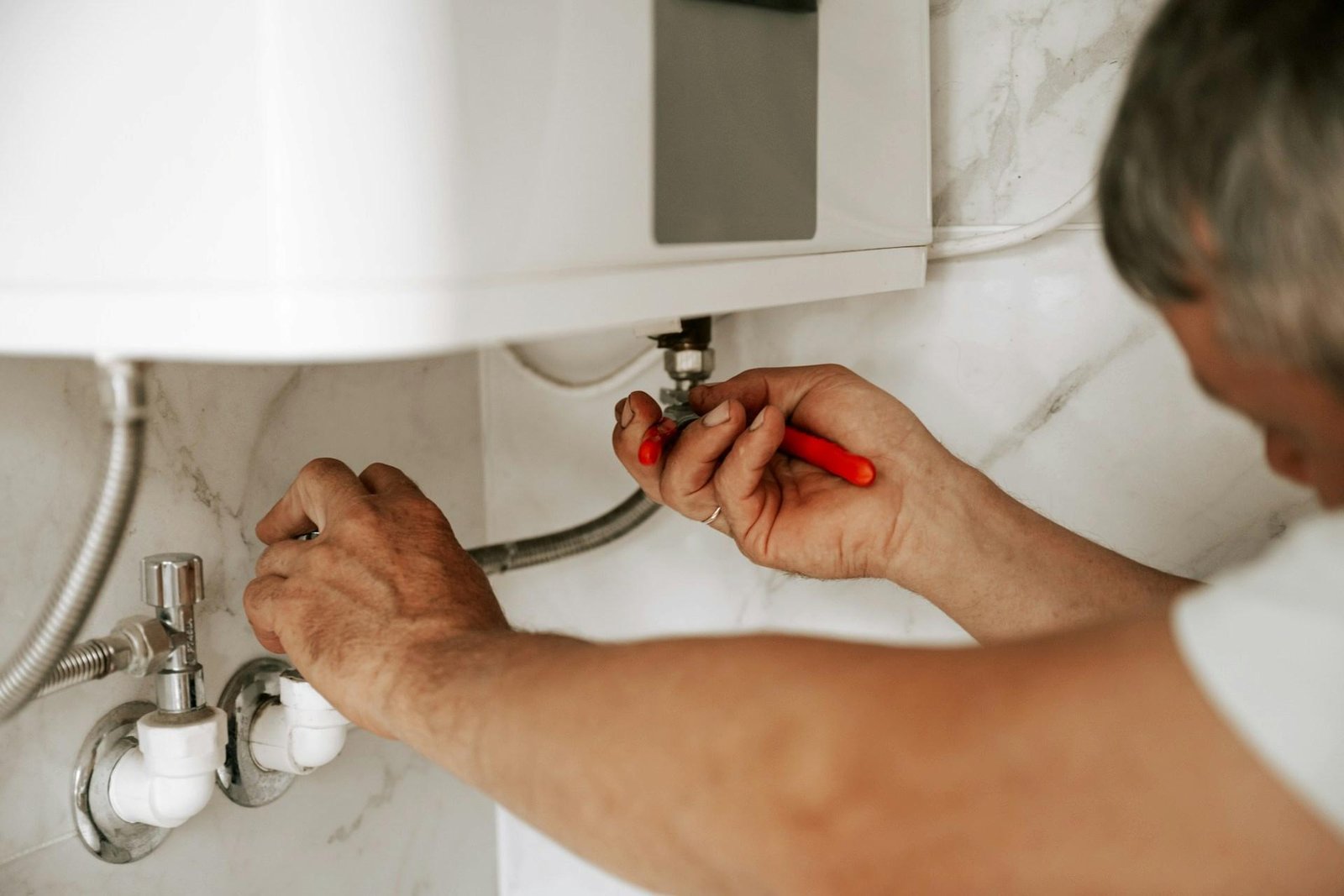
A reliable water heater is essential for daily comfort in any home. It supports hot showers, clean dishes, laundry cycles, and overall household hygiene. Yet many homeowners overlook routine water heater maintenance until something goes wrong. According to Affinity Gas Services, water heaters endure constant yearly stress that slowly reduces efficiency and performance. Without regular care, small issues can turn into sudden breakdowns and expensive repairs.
Water quality plays a major role in the health of water heaters. Minerals like calcium and magnesium, naturally present in the water supply, build up inside the tank or heat exchanger. Over time, this sediment reduces heating efficiency and strains internal components. Proper water heater maintenance helps remove buildup, improves performance, and extends the system’s lifespan before serious damage occurs.
Why Regular Water Heater Maintenance Matters
Water heaters work silently in the background, often running multiple times each day. This constant operation creates wear that homeowners rarely notice. Annual maintenance helps catch problems early and prevents avoidable failures. Flushing sediment, checking components, and inspecting safety controls reduce stress on the unit.
Regular maintenance also improves energy efficiency. When sediment accumulates, the heater must work harder to warm the water. That extra effort increases energy use and utility costs. Keeping the system clean allows it to heat water faster and more evenly, reducing wasted energy and extending equipment life.
Inconsistent or Fluctuating Water Temperature
One of the first warning signs is water that does not stay consistently hot. You may notice warm water turning lukewarm or cold without any change in usage. This problem often points to thermostat issues, failing heating elements, or sediment buildup inside the tank.
Fluctuating temperatures should not be ignored. It usually worsens over time and signals declining internal performance. A professional maintenance check can identify the cause before the heater stops producing hot water altogether.
Strange Noises Coming from the Water Heater
Unusual sounds such as rumbling, popping, or banging are common signs of sediment accumulation. Minerals settle at the bottom of the tank and harden over time. When water beneath this layer heats, trapped steam bubbles create loud noises.
These sounds indicate the heater is working harder than necessary. Increased strain accelerates wear on internal parts. Early maintenance, including tank flushing, removes sediment and restores quieter, more efficient operation.
Water Leaks or Moisture Around the Tank
Visual inspection is an important part of preventive care. Water pooling near the base of the heater or moisture around fittings often signals trouble. Leaks may result from internal corrosion, loose connections, or pressure-related issues.
Even small leaks can cause significant damage if left unchecked. Water damage, mold growth, and structural issues may follow. Addressing leaks early through maintenance prevents costly repairs and protects surrounding areas.
Rusty or Discolored Hot Water
Rust-colored or cloudy hot water is a strong warning sign. It often indicates corrosion inside the tank or a deteriorating anode rod. The anode rod protects the tank from rust, and once it fails, corrosion spreads quickly.
Discolored water also affects fixtures and laundry. Acting early allows technicians to replace protective components or recommend timely replacement before leaks develop.
Reduced Efficiency and Higher Energy Bills
A gradual rise in energy bills without an increase in hot water usage is often overlooked. Sediment buildup forces the heater to run longer to reach the same temperature. This extra runtime increases energy consumption.
Maintenance removes buildup and restores efficiency. Homeowners often notice improved performance and lower bills after servicing. Monitoring energy costs helps identify hidden problems before they cause failure.
Age of the Water Heater
Most standard tank-style water heaters last between eight and twelve years. As units age, internal parts weaken and efficiency declines. Older heaters require more frequent maintenance to delay breakdowns.
If your system is nearing or past this age range, proactive care becomes critical. Maintenance can extend a roof’s remaining life and help homeowners plan for replacement on their own timeline.
Slower Hot Water Recovery Time
Recovery time is the time it takes for the heater to reheat water after use. If it takes much longer than usual, internal efficiency has likely dropped. Sediment buildup or aging components often cause this issue.
Slower recovery affects daily routines and increases energy use. Regular servicing, including flushing and inspection, helps restore normal operation and improve performance.
Visible Corrosion or Tank Damage
Exterior inspection reveals important clues. Rust spots, cracks, or dents on the tank or pipes indicate structural weakness. Early corrosion weakens the tank and increases the risk of leaks.
Spotting damage early allows for corrective action before catastrophic failure. Periodic checks are a simple but effective way to avoid emergency replacements.
Electrical or Gas Safety Warning Signs
Water heaters involve heat, pressure, and fuel or electrical components. Safety-related symptoms should always prompt professional inspection. Gas units may show pilot light problems or unstable temperature. Electric units may experience wiring or control issues.
Because these systems involve safety risks, maintenance is essential. Professional technicians ensure valves, controls, and connections operate safely and reliably.
Common Warning Signs Homeowners Should Watch For
- Inconsistent hot water or sudden temperature changes
- Rumbling or popping noises from the tank
- Water pooling or moisture near the base
- Rusty or discolored hot water
- Rising energy bills without increased usage
- Slow hot water recovery after use
When to Schedule Professional Maintenance
Homeowners should schedule maintenance at least once a year. Additional inspections are recommended if warning signs appear. Professional service includes flushing the tank, inspecting components, testing safety valves, and evaluating efficiency.
Early action reduces repair costs and prevents unexpected breakdowns. Maintenance also supports safety and a consistent year-round hot water supply.
Conclusion
Water heaters rarely fail without warning. Inconsistent temperature, unusual noises, leaks, corrosion, and higher energy bills all signal declining performance. Regular maintenance removes sediment, improves efficiency, and extends system life. According to Affinity Gas Services, proactive care prevents costly early failures and protects household comfort. Scheduling professional water heater maintenance early ensures reliable hot water, improved safety, and long-term savings before a breakdown occurs.
